Inhaltsverzeichnis
A night splint for teeth can also be categorized as a temporary dental splint. Traditionally dentists have been splinting loose teeth with brackets and orthodontic wire. This is a type of long-term splint that can be of use after the tooth is treated. While the tooth is healing, it is important that brackets should not have any pressure on the teeth.
- Thereafter, the extruded surfaces were cut off from the three-dimensional model, using a Boolean operation to obtain a cover for teeth for a rough three-dimensional model of the splint.
- A flexible dental splint permits functional movement when compared to a rigid splint where the affected injured teeth are immobilized.
- The absolute minimum wall thickness for laser-based AM systems would be the width of a single cured line and this is related to the diameter of laser beam and the cure depth .
- Advanced disc and muscle disorders are identified in patients who experience jaw locking and/or noises, painful joints, and sometimes increasing pain with splint wear.
- In this experiment, splint fit was found as good as in the best conventional splints and the accuracy of the method was excellent.
There are commercially available hard clear aligners, which are made by digitizing dentition, virtual straightening, fabricating a mould by AM, vacuum forming and finishing . The accuracy of wax patterns for facial prostheses produced by AM has been found to be better than conventional duplication . An AM model has been used as a mock-up for manufacturing obturator prosthesis from acrylic polymethyl methacrylate . Laser surface digitizing with computer-aided design /computer-aided manufacturing techniques has been used for developing facial prostheses and for casting prosthetic parts .
Related Topics in Procedure

Soft wire and surgical thread can be used as materials for this type of splint . The wire is woven around the traumatized and neighboring teeth . Immobilization of this kind should be brief—only a few days.
Bite and Body
Temporary Splints - The treatment period for dental splints is less than six months. At the end of 6 months, the dentist decides whether the teeth require permanent splinting or not. Stainless steel wires are also used in the inner portion of lower teeth. If the patient reports bruxism and headaches but no TMD, the use at night of a full-coverage splint, in which acrylic covers an entire arch of teeth, is often adequate to protect the teeth. Muscle relaxation is an added benefit that often relieves or eliminates tension headaches.
What is a dental splint used for?
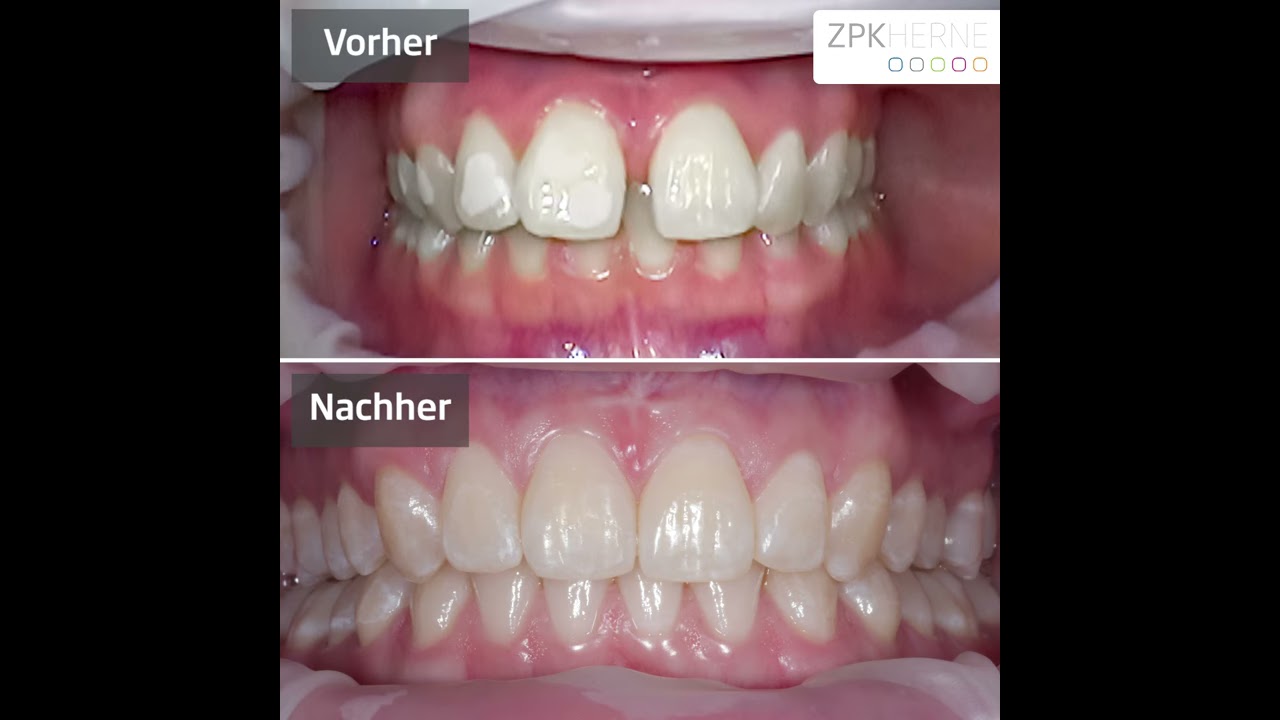
One of the advantages of an automated AM process comes from the ability to print a large number of individual splints in a short time period. Dentoalveolar trauma is considered an emergency condition and is challenging for every dentist. As primary and permanent teeth may suffer repercussions from an injury, a therapist must be mindful of which situations the use of splinting methods is required. In dentistry, a splint is a rigid or flexible device with the function of supporting, protecting, and immobilizing teeth that have been weakened , traumatically injured, replanted, or fractured. Generally, splinting is not recommended for primary teeth injuries such as luxation and avulsion. In permanent dentition, splint appliances are indicated Invisalign for periodontal injuries, such as subluxation, luxation and avulsion, and hard tissue injuries such as class IV root fractures.